Herd Health·Nov 14, 2026·DairyLogs Team
Abortion in cattle costs a dairy around $555 per lost pregnancy. Learn the warning signs, main causes, first 24-hour response and a prevention plan.
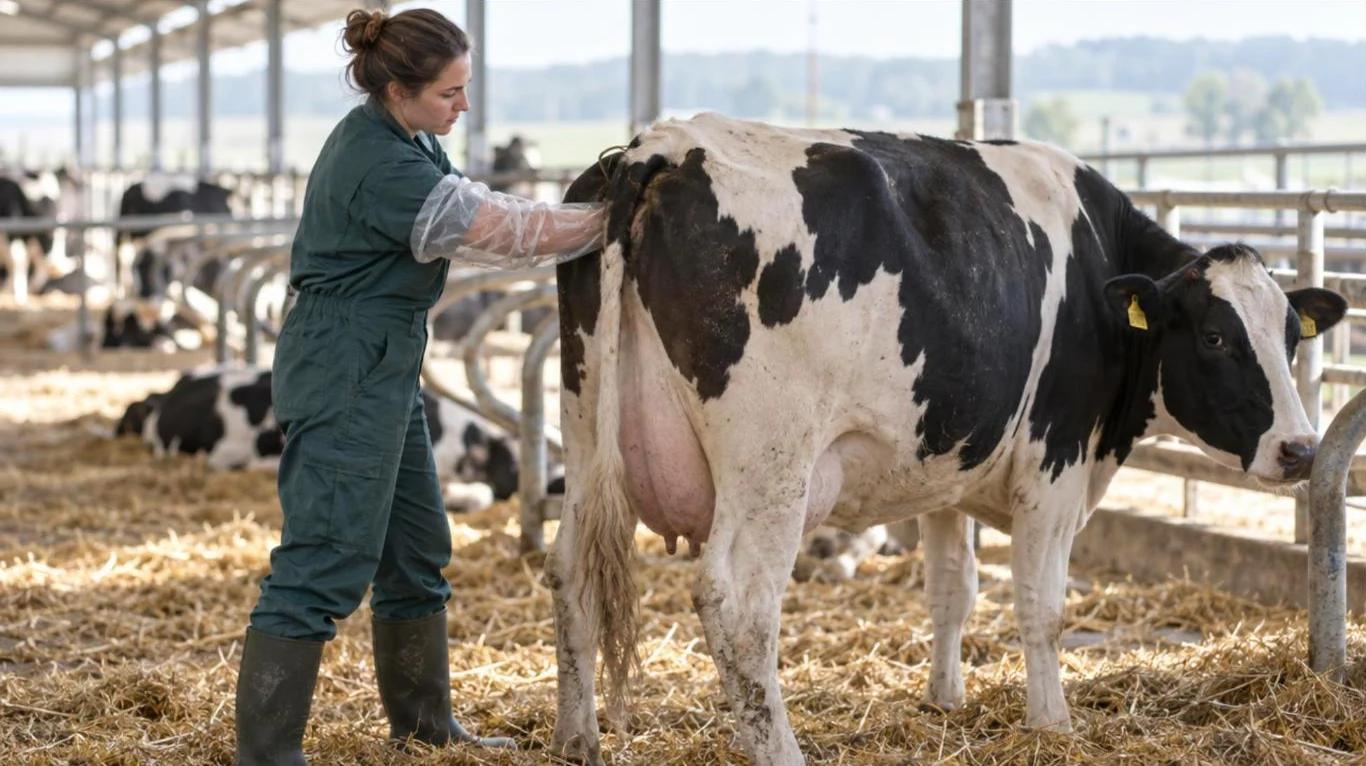
Abortion in cattle is the loss of a calf between 50 and 270 days of gestation, born dead or surviving under 24 hours. Signs include an expelled fetus, retained placenta, discharge or return to heat. Causes include Neospora, BVD, IBR, leptospirosis and mouldy feed. Treatment means diagnosis, aftercare and prevention.
A confirmed-pregnant cow that turns up open at herd check is more than a missed calf. It means extra days open, a disrupted lactation and, if the cause is infectious, a risk to every other pregnancy. This guide shows how to recognise abortion in cows, narrow down the cause, respond in the first 24 hours and build a prevention plan you can track.
NADIS defines abortion as one or more calves born between 50 and 270 days of gestation that are dead or survive less than 24 hours. Some US extension services use a slightly different window of about 42 to 260 days. Losses earlier than this are classed as embryonic death; later ones as stillbirths or premature calvings.
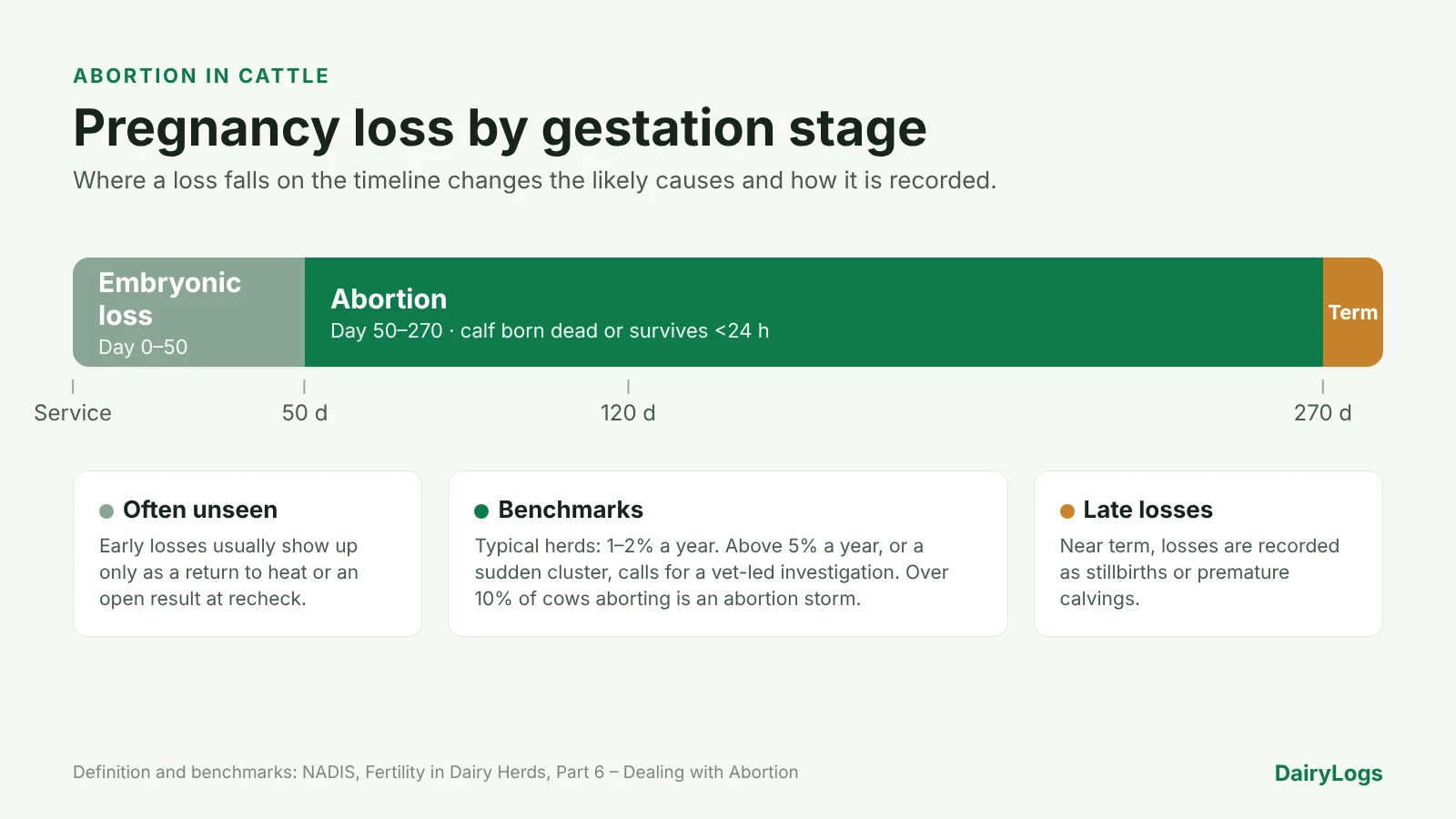
Many abortions are never seen. Losses in the second and third month usually show up only when a cow returns to heat or fails to calve. That is why most herds calculate their abortion rate from 120 days of pregnancy onward.
No herd achieves zero losses. NADIS gives these benchmarks:
1–2% per year: typical for most herds.
Above 5% per year: the point at which to investigate with your vet.
A cluster of cases in a short period: worth investigating even if the annual rate is 5% or lower. This matters most in seasonal-calving herds.
More than 10% of cows aborting: an "abortion storm" that needs urgent diagnostic work.
Abortion in animals is a key herd-health issue across livestock. Several pathogens are shared. Leptospira, Coxiella burnetii (Q fever) and Brucella affect cattle, sheep and goats, and can infect people. If you keep mixed species, a loss in one group should prompt closer monitoring of the others.
The signs depend on gestation stage and cause. Early abortions are often silent. Later ones look like a small, early calving.
An expelled fetus or fetal membranes in the stall, pen or pasture.
Retained fetal membranes hanging from the vulva for more than 12–24 hours.
Bloody, cloudy or foul-smelling vaginal discharge.
Straining or restlessness well before the due date.
Early udder development or relaxed pelvic ligaments in a pregnant heifer long before she is due.
Fever, lower feed intake or a sudden milk drop, especially with infectious causes such as leptospirosis or IBR.
Abortion without clinical signs is common with brucellosis, BVD, leptospirosis, Salmonella Dublin and Bacillus licheniformis. In most herds, records catch more abortions than barn staff do. Look for:
A cow confirmed pregnant at 35–45 days that is open at the 90–120 day recheck.
A pregnant cow showing heat on activity monitors or tail paint.
A cow well past her due date with no calf. This can point to a mummified fetus, which is usually retained rather than aborted.
Several losses in the same pen, gestation window or feed batch.
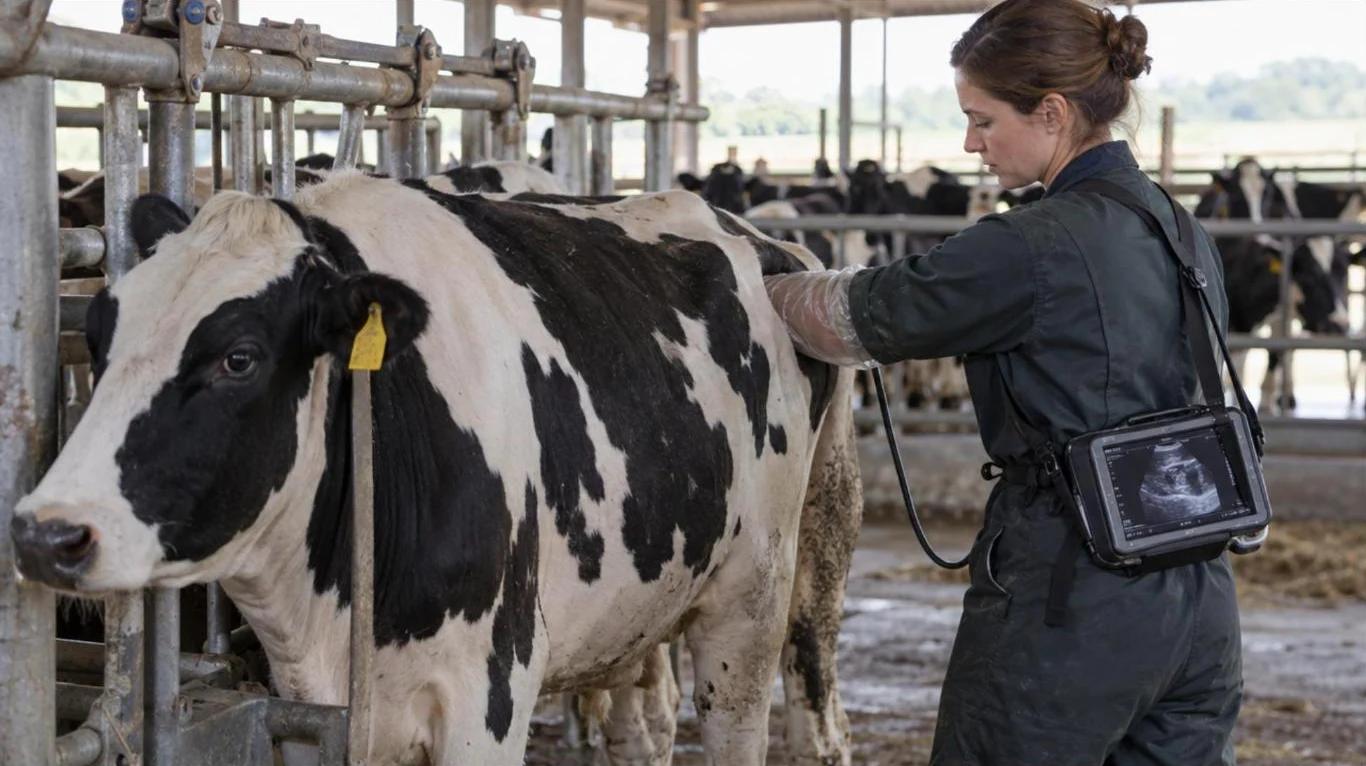
Flagging these patterns early saves time on the weekly herd check. When you record every pregnancy check in DairyLogs, a confirmed-pregnant cow that later records a heat or an open result stands out before the trail goes cold.
Causes fall into two groups: infectious and non-infectious. Infectious causes matter most because they cause abortion storms and have specific control measures. Even so, labs reach a diagnosis in fewer than one in three cases submitted, so good records and good samples are essential.
Agent | Typical stage of loss | Key clues | Main prevention |
|---|---|---|---|
Neospora caninum | 3–9 months, often 5–6 months | Single cases or storms; passed from dam to calf; dogs spread it through faeces | Keep dogs out of feed and calving areas; don't breed replacements from positive dams |
BVD virus | Any stage | Often no signs in the cow; poor fertility, PI calves, scours and pneumonia in youngstock | Vaccinate before breeding; tag-test calves and remove PI animals |
IBR (BoHV-1) | Usually 4–9 months | Some strains cause high fever; may follow a respiratory outbreak | Vaccinate; follow label rules for live vaccines in pregnant cows |
Leptospira (e.g. Hardjo) | Mostly late gestation | Often silent; milk drop, infertility, weak calves; zoonotic | Lepto vaccination, rodent control, clean water |
Salmonella Dublin | Mid to late gestation | Often silent in the cow; scour and pneumonia in calves | Biosecurity, vaccination, calf hygiene |
Brucella abortus | Third trimester | Placentitis, retained placenta; zoonotic and notifiable | National testing schemes; calfhood vaccination where approved |
Fungal (Aspergillus) and Bacillus licheniformis | Mid to late gestation, often in housed cows | Linked to mouldy or spoiled silage; thick, leathery placenta | Never feed mouldy silage to pregnant cows; manage the clamp face |
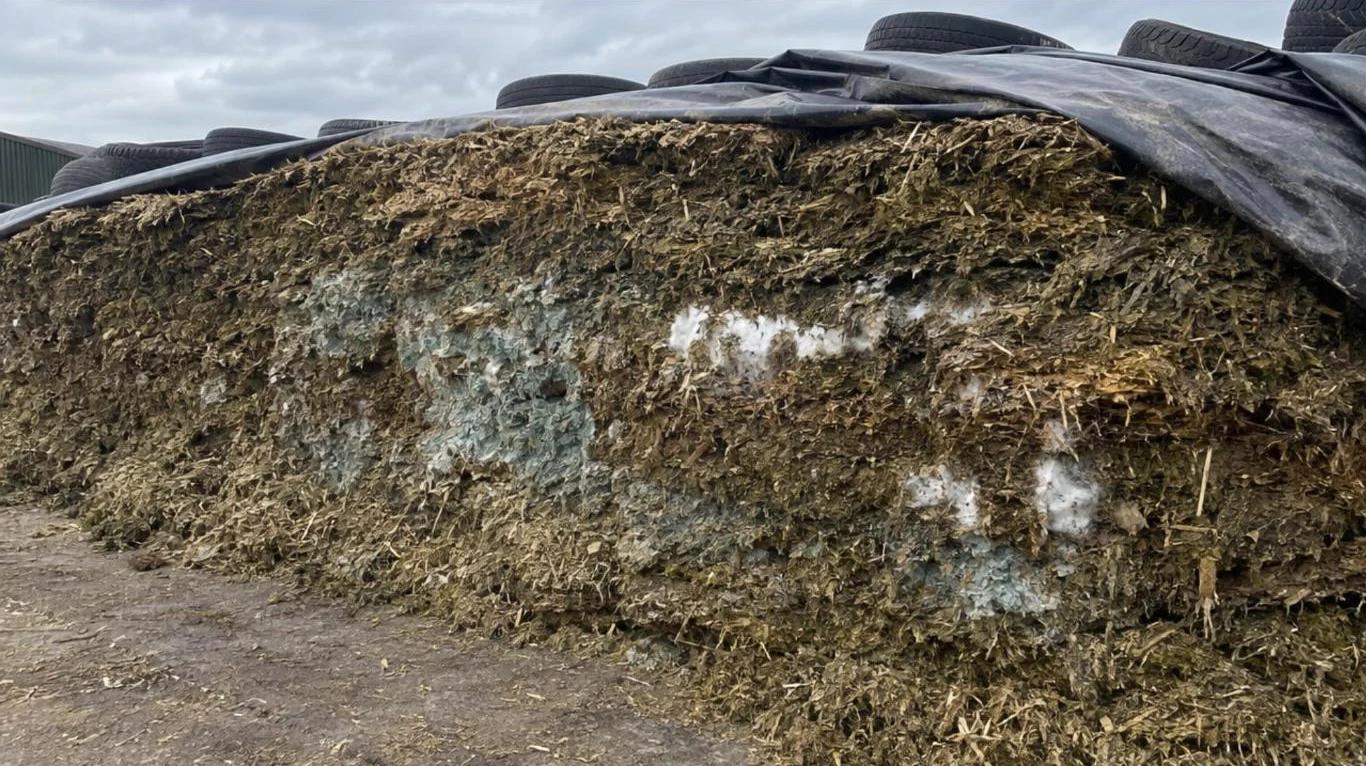
Other agents include Campylobacter, Trueperella pyogenes, Listeria and Coxiella burnetii (Q fever), plus bluetongue and Schmallenberg virus in some regions. Your vet and local lab will know which are common in your area.
Heat stress: high temperatures cut fertility and raise pregnancy loss in high-yielding cows.
High fever from other disease: toxic (coliform) mastitis in cows, pneumonia or metritis during pregnancy can trigger abortion.
Abortifacient drugs: prostaglandin (PGF2α) or high-dose corticosteroids given to a cow nobody knew was pregnant.
Feed problems: mycotoxins in mouldy feed, high-nitrate forage and some toxic plants.
Nutrition: a poorly formulated ration or severe shortage of vitamin A, selenium or iodine.
Genetic defects, twins and trauma such as slipping on wet concrete or rough handling.
Drug errors are among the easiest causes to prevent. Building a pregnancy status check into your DairyLogs breeding protocols means relief milkers and new staff check before any PGF2α injection.
The response in the first day decides whether you ever learn the cause. Follow these steps:
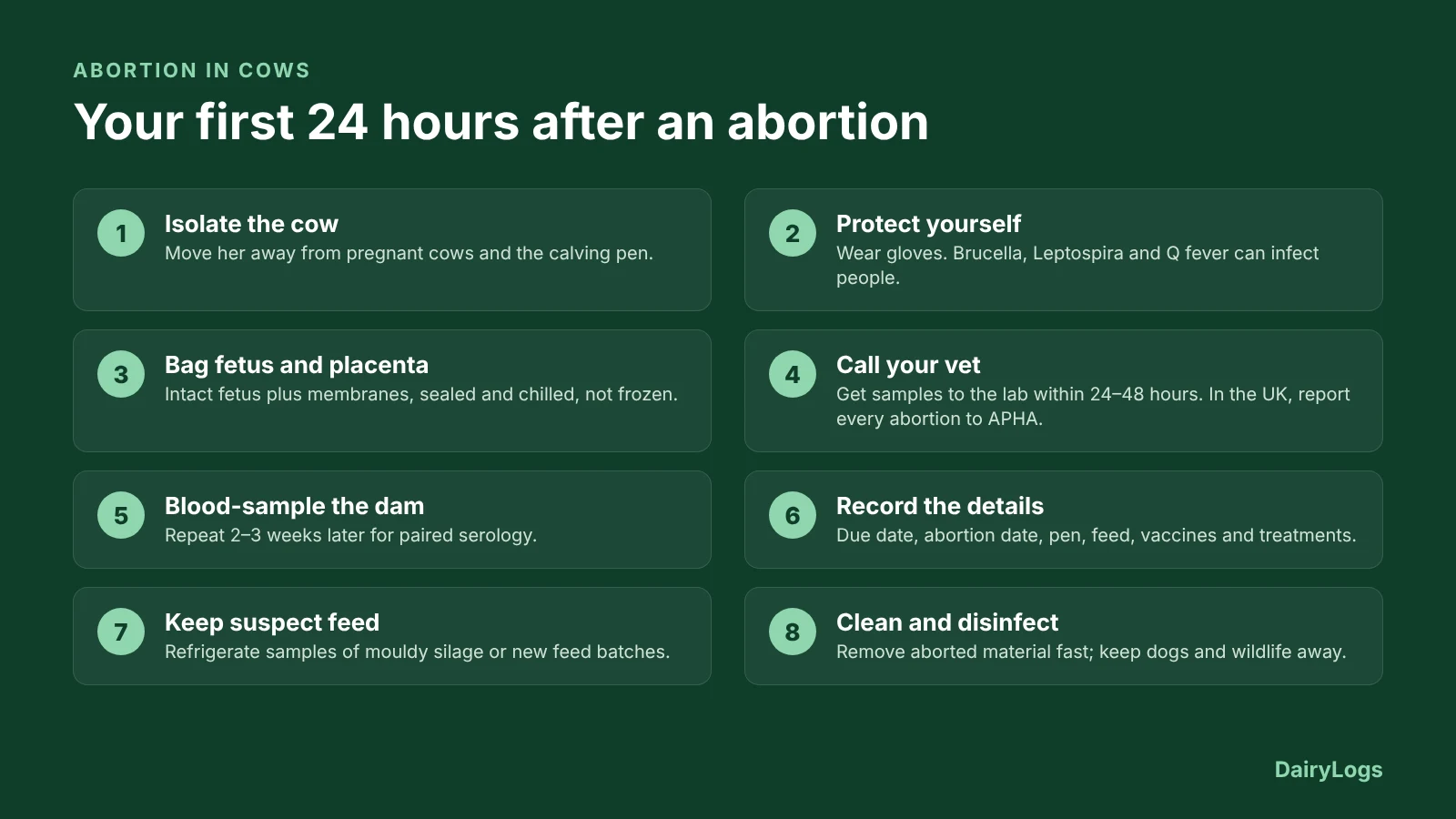
Isolate the cow from the pregnant group and the calving pen.
Wear gloves and protective clothing. Brucella, Leptospira and Coxiella can infect people.
Collect the whole fetus and the placenta in a sealed, leak-proof bag. An intact fetus is essential. Keep it chilled, not frozen.
Call your vet and get samples to the lab within 24–48 hours. In the UK, every abortion must be reported to the local animal health office (APHA). DEFRA pays for the vet visit and brucellosis tests, and further lab fees are heavily subsidised.
Take a blood sample from the dam. A second sample 2–3 weeks later (paired serology) helps confirm recent infection.
Record the details: due date, abortion date, feed type and timing, where the cow was kept during pregnancy and her vaccination status.
Keep suspect feed. Refrigerate samples of any mouldy silage or new feed batch for testing.
Clean and disinfect the area, remove aborted material quickly and keep dogs, cats and wildlife away.
Whole fetus, intact wherever possible.
Fetal membranes (placenta), including several cotyledons.
Dam blood sample, plus samples from herdmates if you suspect an outbreak.
Multiple submissions when several cows abort, not just the first case.
Feed and water samples if you suspect mycotoxins, nitrates or a ration change.
An abortion in progress cannot be stopped or reversed. Treatment focuses on the cow's recovery, her future fertility and the rest of the herd.
Do not pull retained membranes by force. Let your vet decide how to manage them.
Check rectal temperature daily for 7–10 days. A reading above 39.5°C (103.1°F) may mean metritis that needs treatment.
Antibiotics and anti-inflammatories only as prescribed by your vet, with milk and meat withdrawal times recorded.
Supportive care: fresh water, palatable feed and a clean, dry bed.
Have a reproductive exam before rebreeding, and allow time for the uterus to recover, much like the voluntary waiting period after calving.
A cow that aborts late in gestation may start milking. Decide with your vet whether to record a new lactation.
Consider culling cows with repeat abortions or confirmed Neospora infection, since they often pass it on to their calves.
When the lab confirms a cause, the plan targets the herd, not just one cow. A leptospirosis diagnosis may lead to whole-herd treatment and booster vaccination under veterinary direction. A BVD diagnosis usually means testing all young stock for persistently infected (PI) animals.
Prevention costs far less than a lost pregnancy. A Journal of Dairy Science study put the average cost of a pregnancy loss at $555 in 2006 prices. That figure covers the lost calf, extra days open and a higher culling risk.
Tighten biosecurity: run a closed herd or quarantine bought-in cattle for at least 14 days. Source bulls only from proven high-health farms.
Keep boundaries stockproof and make sure visitors and equipment are clean.
Vaccinate to a herd health plan: target local risks such as BVD, IBR and leptospirosis with your vet, and follow label instructions. Vaccination supports good management; it does not replace it.
Control dogs and wildlife: keep them away from feed, water, placentas and aborted fetuses to break the Neospora cycle.
Protect feed quality: feed a well-formulated ration, never feed mouldy silage to pregnant cows, and store feed to keep vermin out.
Reduce heat stress: provide shade, fans and plenty of water in hot weather.
Prevent drug errors: confirm pregnancy status before any PGF2α or corticosteroid injection.
Handle cows gently and keep alleys and parlour floors non-slip.
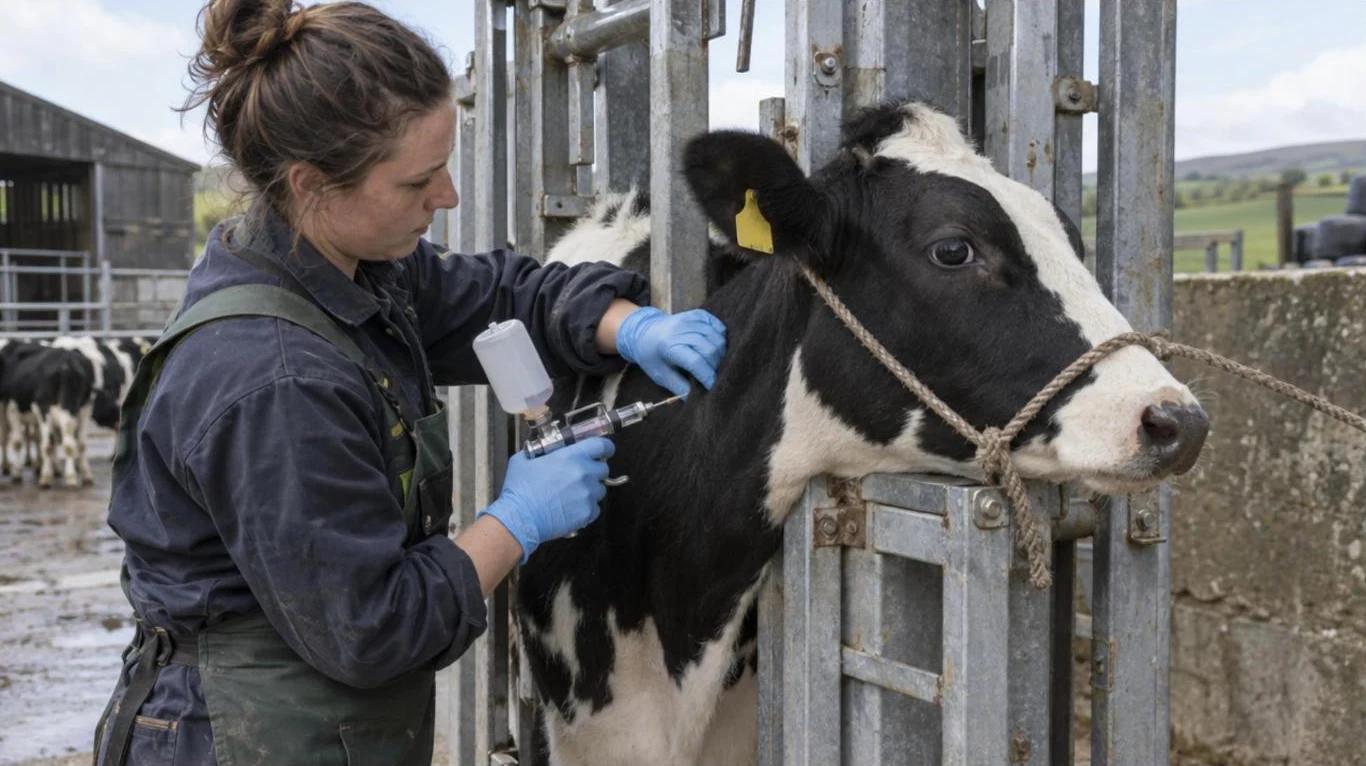
Missed boosters are a common gap. Logging vaccinations in DairyLogs keeps every heifer's pre-breeding doses on schedule.
You can't manage what you don't measure. Use this simple annual formula:
Abortion rate (%) = (number of abortions ÷ number of confirmed pregnancies) × 100
For example, a 400-cow herd with 360 confirmed pregnancies and 22 recorded abortions has a rate of about 6.1%. That is above the 5% intervention point and justifies a vet-led investigation.
Gestation age at loss and how it was found (seen, or open at recheck).
Pen or location during pregnancy, lactation number, sire and service type (AI or bull).
Vaccination dates and any treatments in the previous 30 days.
Feed type, ration changes and new feed batches.
Lab results and the final diagnosis.
Patterns that are hard to see on paper stand out quickly in a digital herd record. DairyLogs herd reports help you tell a one-off case from the start of a storm.
Infectious causes such as Neospora caninum, BVD, leptospirosis and IBR are among the most frequently diagnosed causes of abortion in cattle. Still, most abortions never get a definite diagnosis, so sending the whole fetus, placenta and a dam blood sample is important.
Yes, most cows can be rebred once the uterus has recovered and any infection has been treated. Have a vet do a reproductive exam first. Cows with repeat abortions or confirmed Neospora infection are often better culled.
Some causes are zoonotic, including Brucella, Leptospira and Coxiella burnetii (Q fever). Always wear gloves when handling aborted fetuses or placentas, and never drink raw milk from a herd under investigation.
Abortion in cattle can't be eliminated, but most herds can keep it near the 1–2% benchmark with three habits: spot cases early, submit good samples and fix the root cause. Biosecurity, vaccination, feed quality and careful drug use do most of the preventive work. Accurate records turn single losses into patterns you can act on.
Next step: Start your DairyLogs herd record and log every pregnancy check and loss, so you know your herd's abortion rate before your next vet visit.
Want tools that match these practices? Start free with DairyLogs.