Breeds·Nov 16, 2026·DairyLogs Team
Girlando cow data that matters: real milk capacity by blood grade, realistic milk per day, current price ranges, and the records that lift yield.
A Girlando (Girolando) cow is a Brazilian dairy breed built on 5/8 Holstein and 3/8 Gir genetics. Embrapa data puts average yield at 4,291 kg per 305-day lactation, about 15 litres per day, while well-fed herds reach 20 to 25 litres and commercial heifers sell for roughly R$6,000 to R$10,000.
Hot-climate dairies keep hitting the same wall. Pure Holsteins lose condition, cycle poorly and fight ticks once afternoons climb past 30°C, while zebu cattle survive the heat but rarely pay their feed bill in milk. The Girlando cow was bred to close that gap.
This guide uses breed-programme data to show what Girolando cows actually produce by blood grade, what separates a 10-litre cow from a 25-litre cow, what animals cost, and which records to keep before you buy or cull.
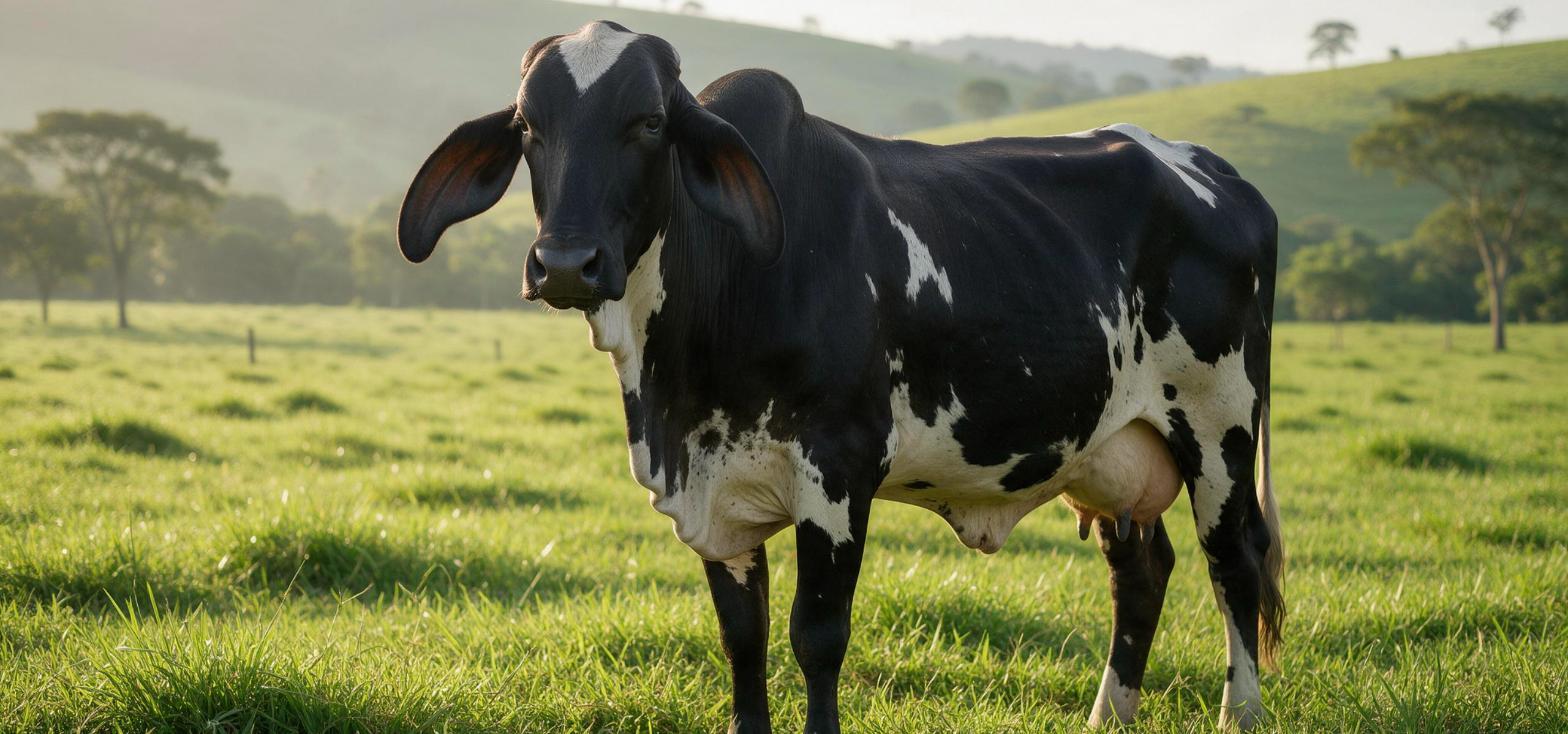
The breed's official name is Girolando, a blend of Gir and Holanda (Portuguese for Holstein). "Girlando" is the common spelling in search and in many markets outside Brazil, but it refers to the same animal.
Origin: Developed in Brazil from crosses of Indian Gir (Bos indicus) and Holstein-Friesian (Bos taurus). Structured cross-breeding work began in the late 1970s with Embrapa Dairy Cattle in Minas Gerais.
Breed standard: The 5/8 Holstein : 3/8 Gir animal, officially registered with Brazil's Ministry of Agriculture in 1996.
Genetic programme: A progeny test has run since 1997 and the Girolando Genetic Improvement Program since 2007, so bulls now carry proven breeding values for milk.
Market share: Holstein × Gir crosses are estimated to supply around 80% of Brazil's milk.
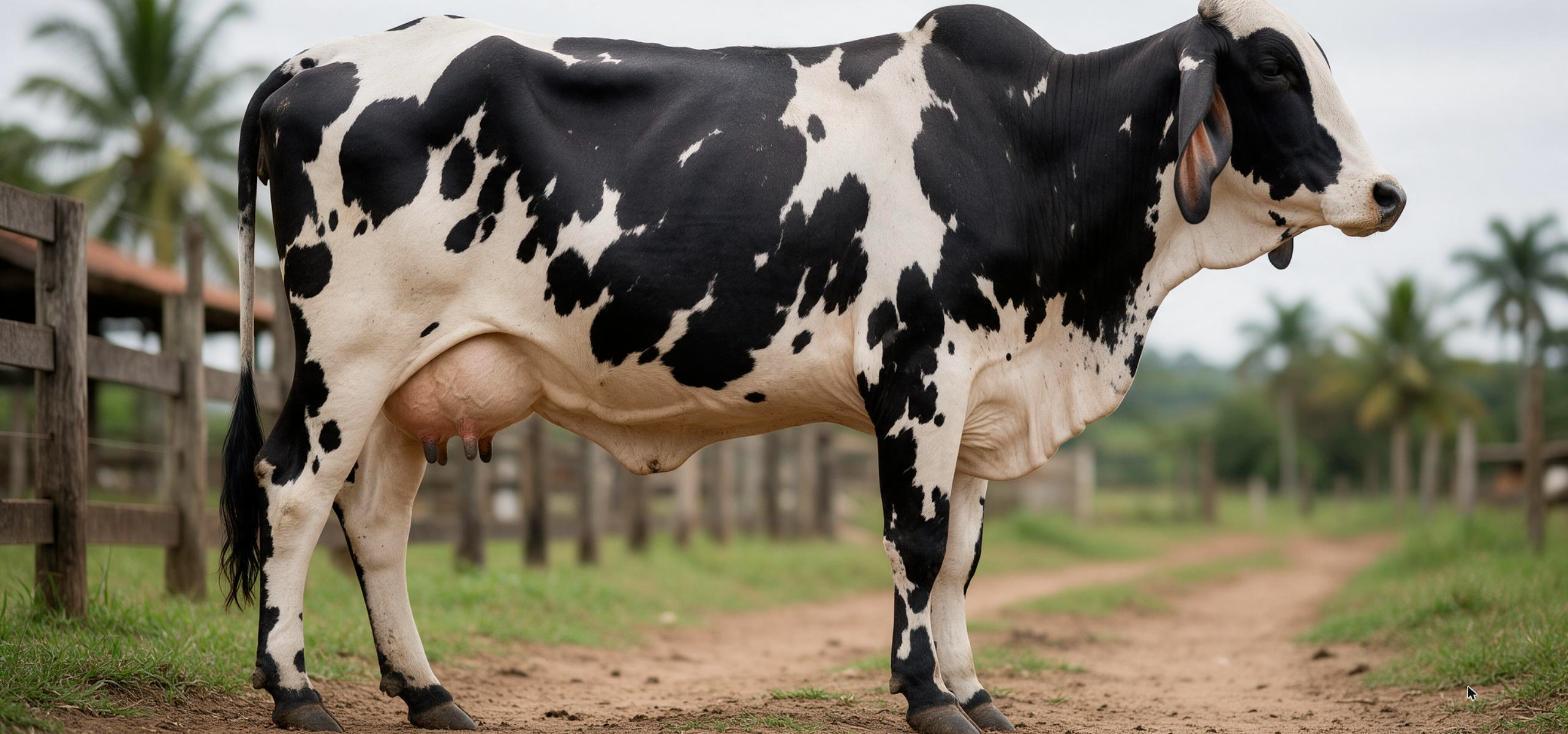
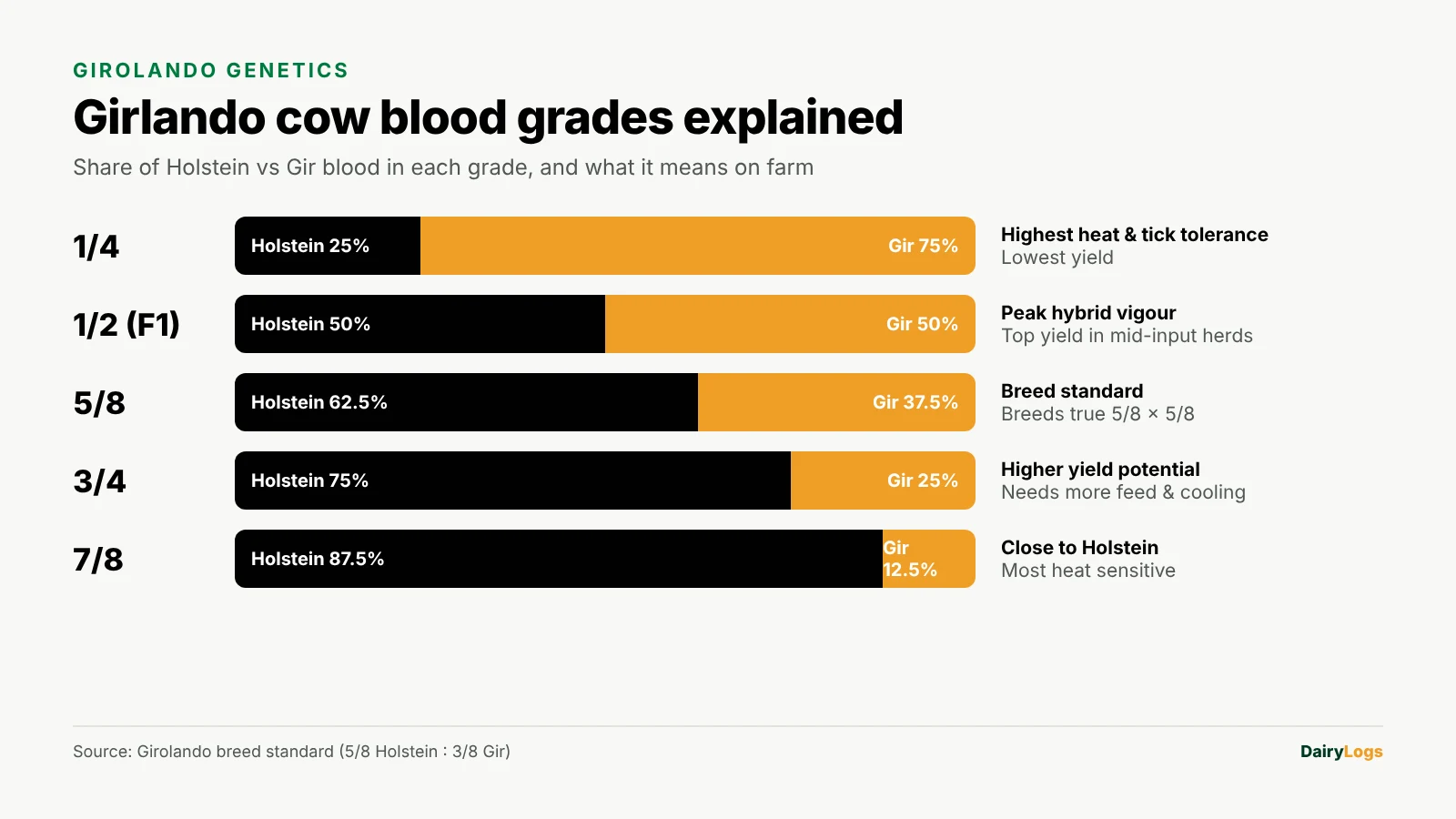
Not every animal sold as "Girlando" is a 5/8. The registry recognises several blood grades (graus de sangue), and each one behaves differently on farm.
1/4 Holstein : 3/4 Gir: Highest heat and tick tolerance, lowest yield, strongest need for calf stimulation at milking.
1/2 Holstein : 1/2 Gir (F1): Maximum hybrid vigour (heterosis); often the most productive cow in low- to mid-input systems.
5/8 Holstein : 3/8 Gir: The stabilised breed standard; can be bred 5/8 × 5/8 without drifting toward either parent breed.
3/4 and 7/8 Holstein: Higher yield potential but closer to Holstein in feed demand and heat sensitivity.
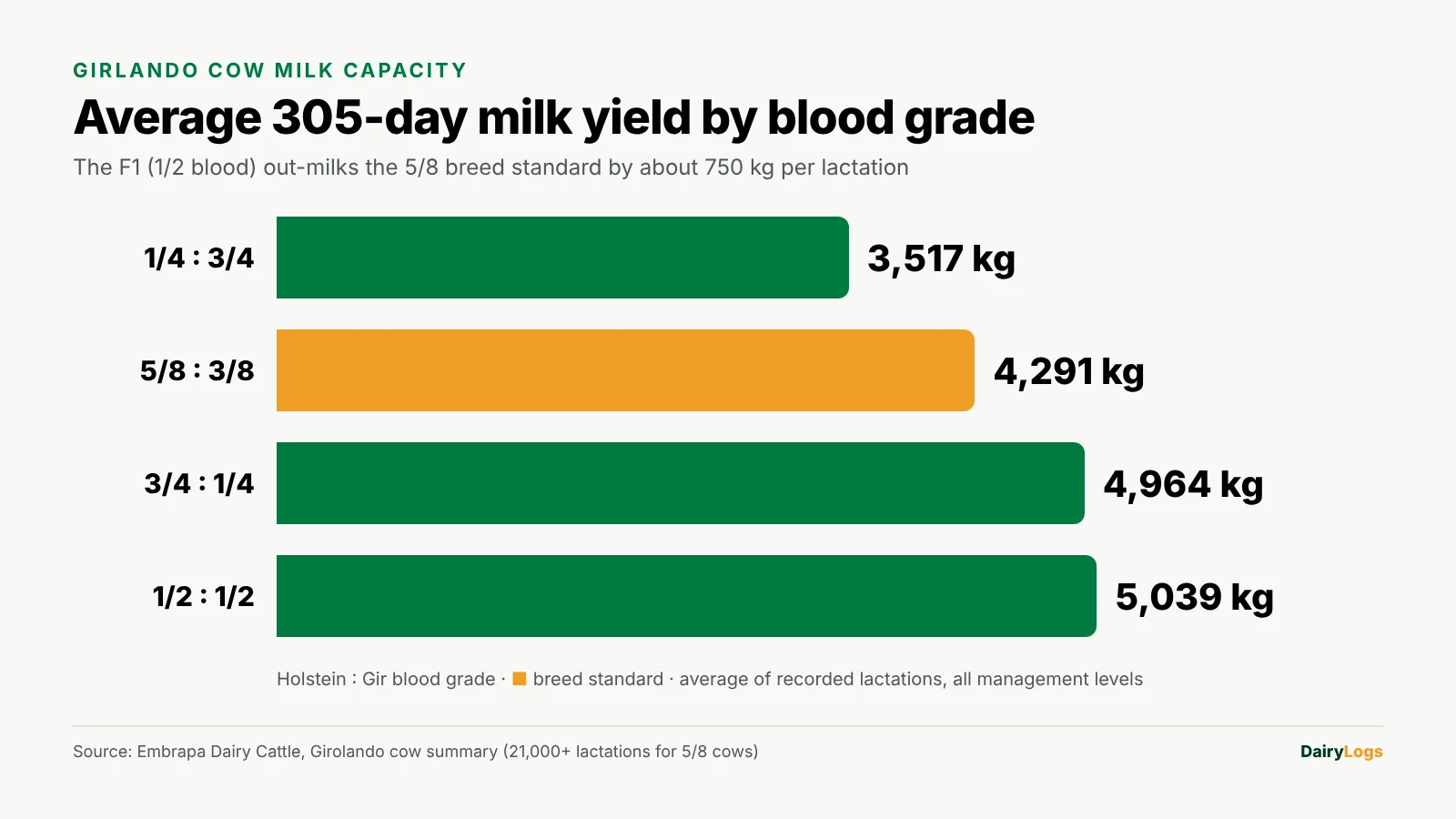
The most reliable public numbers come from Embrapa's Girolando cow summary, which analysed more than 21,000 recorded lactations of 5/8 cows alone. These are national averages across all management levels, from smallholder pasture farms to confined herds.
Blood grade (Holstein : Gir) | 305-day milk (kg) | Lactation length (days) | Age at first calving | Calving interval (days) |
|---|---|---|---|---|
1/2 : 1/2 | 5,039 | 271 | ~33 months | 426 |
3/4 : 1/4 | ~4,964 | 285 | ~35 months | 437 |
5/8 : 3/8 | 4,291 | 276 | ~35 months | 446 |
1/4 : 3/4 | 3,517 | 244 | ~37 months | 449 |
[External Link: Embrapa Dairy Cattle Girolando cow summary on 305-day milk yield by genetic group]
The F1 out-milks the breed standard. Hybrid vigour gives 1/2-blood cows roughly 750 kg more per lactation than 5/8 cows in recorded herds.
Spread is huge. The 5/8 average carries a standard deviation of about 2,190 kg, so management explains more of the gap between cows than blood grade does.
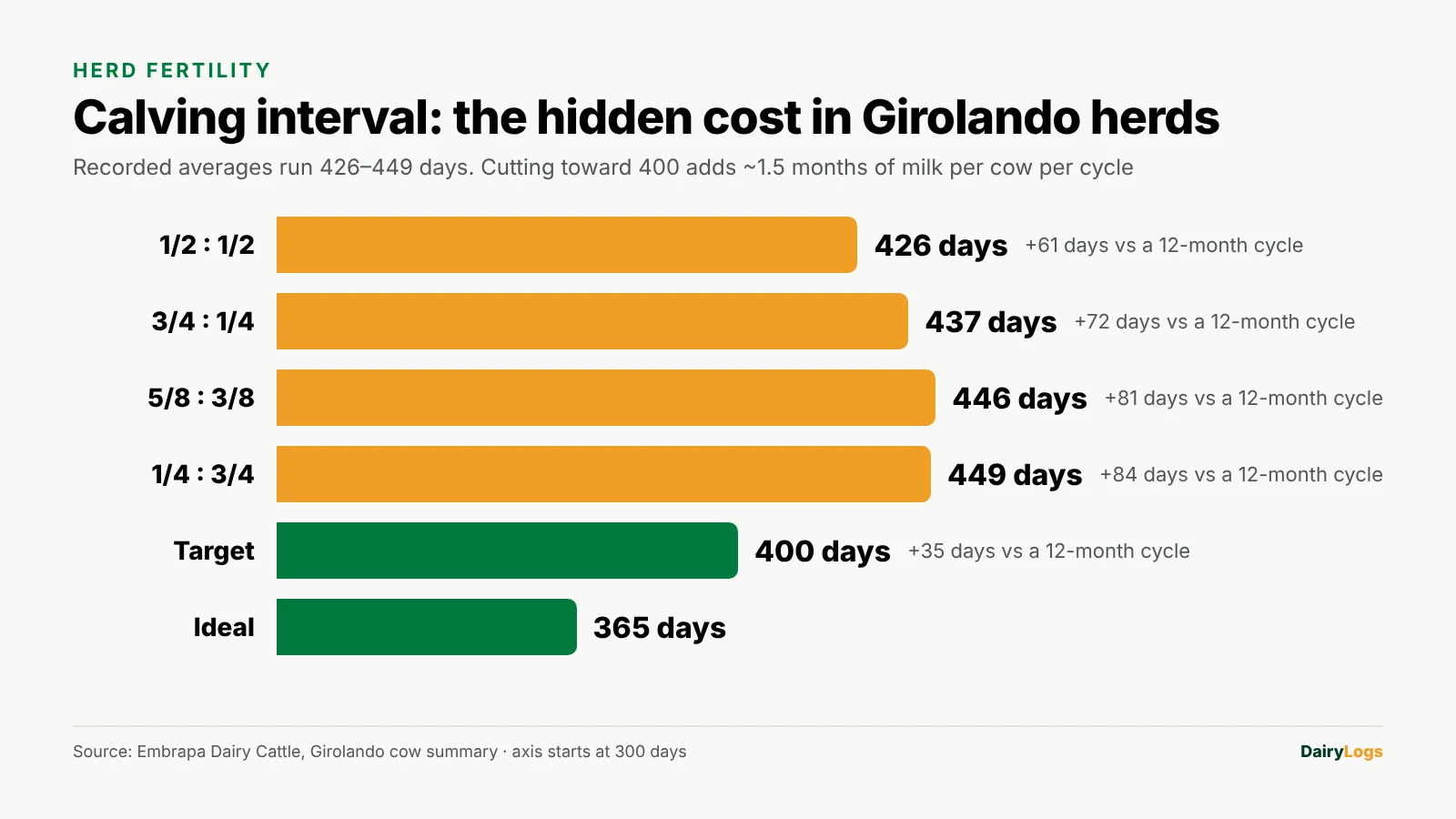
Fertility is the hidden cost. Calving intervals of 426 to 449 days mean most herds lose 2 to 3 months of productive time per cow, per cycle, against a 13-month target.
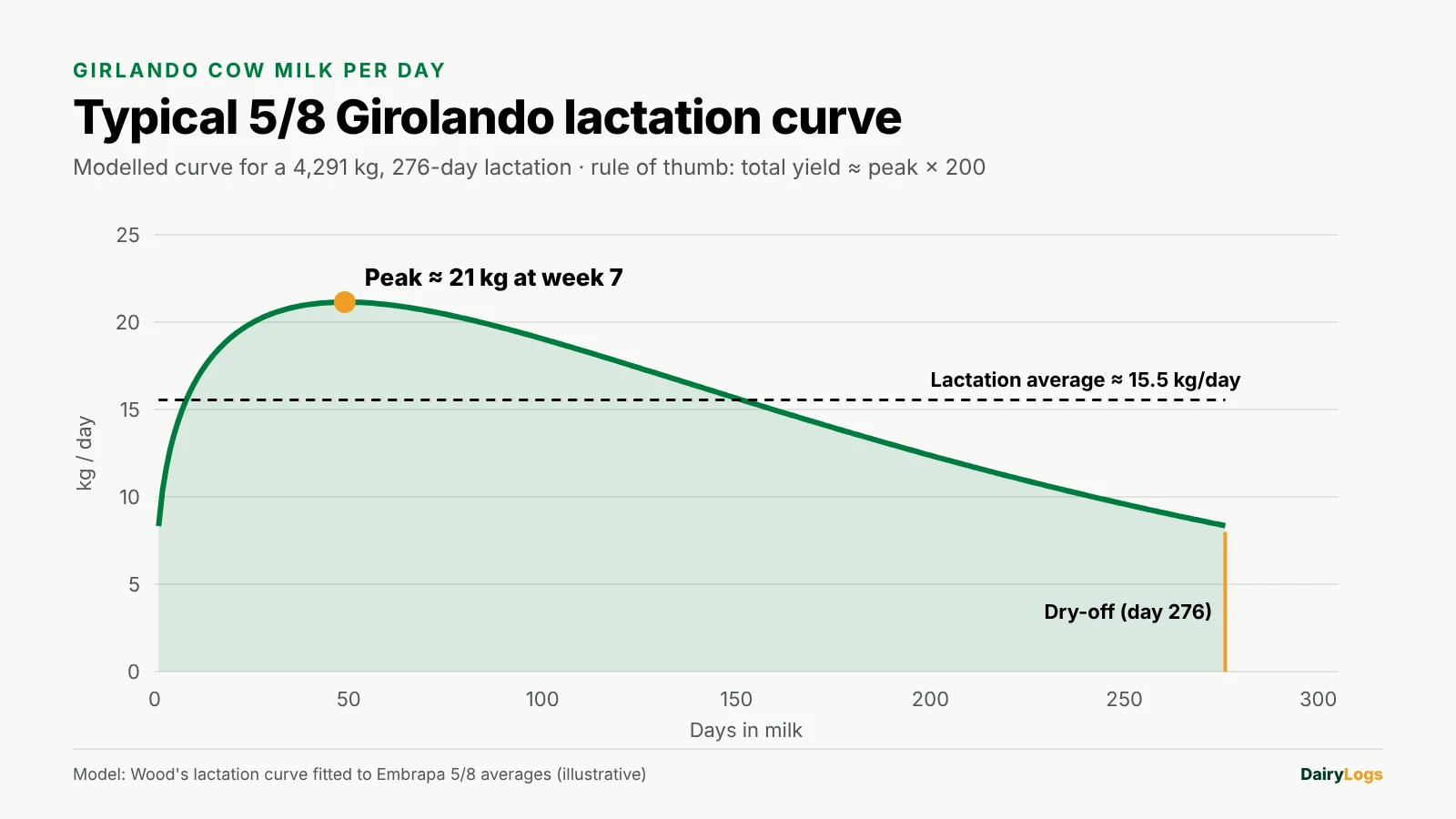
Dividing the 5/8 average of 4,291 kg by a 276-day lactation gives about 15.5 kg (roughly 15 litres) per day. The F1 average works out to about 18.6 kg per day. Daily yield is not flat, though: a cow peaks around 6 to 8 weeks after calving and declines from there.
A useful rule of thumb from dairy extension work is that total lactation yield ≈ peak daily yield × 200. A cow peaking at 22 kg should finish near 4,400 kg; if she peaks at 22 kg and finishes at 3,000 kg, her persistency or late-lactation feeding needs attention.
Low-input pasture, no concentrate: 8 to 12 litres per day.
Semi-intensive (pasture plus concentrate or silage): 15 to 20 litres per day.
Confined or TMR-fed with proven genetics: 25 to 35 litres per day.
Elite show and tournament cows: 60+ litres per day.
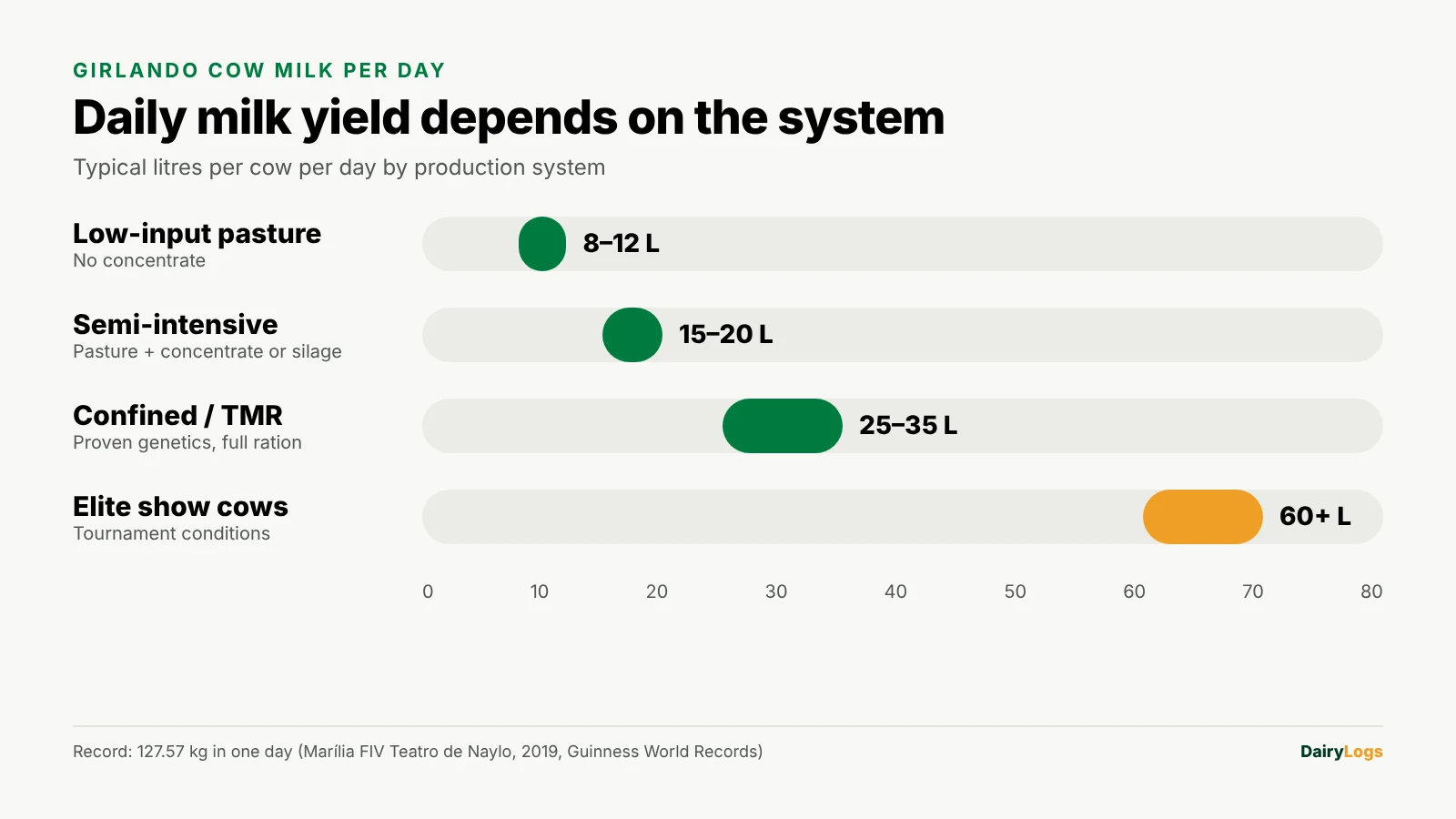
The Girolando world record stands at 127.57 kg of milk in one day, set by Marília FIV Teatro de Naylo on 3 August 2019 in São Paulo state. Guinness World Records confirmed it in 2020, beating the 110.9 kg mark held since 1981.
Dry matter intake and energy density. Tropical grasses alone rarely support more than 10 to 12 litres; above that, concentrate or quality silage pays.
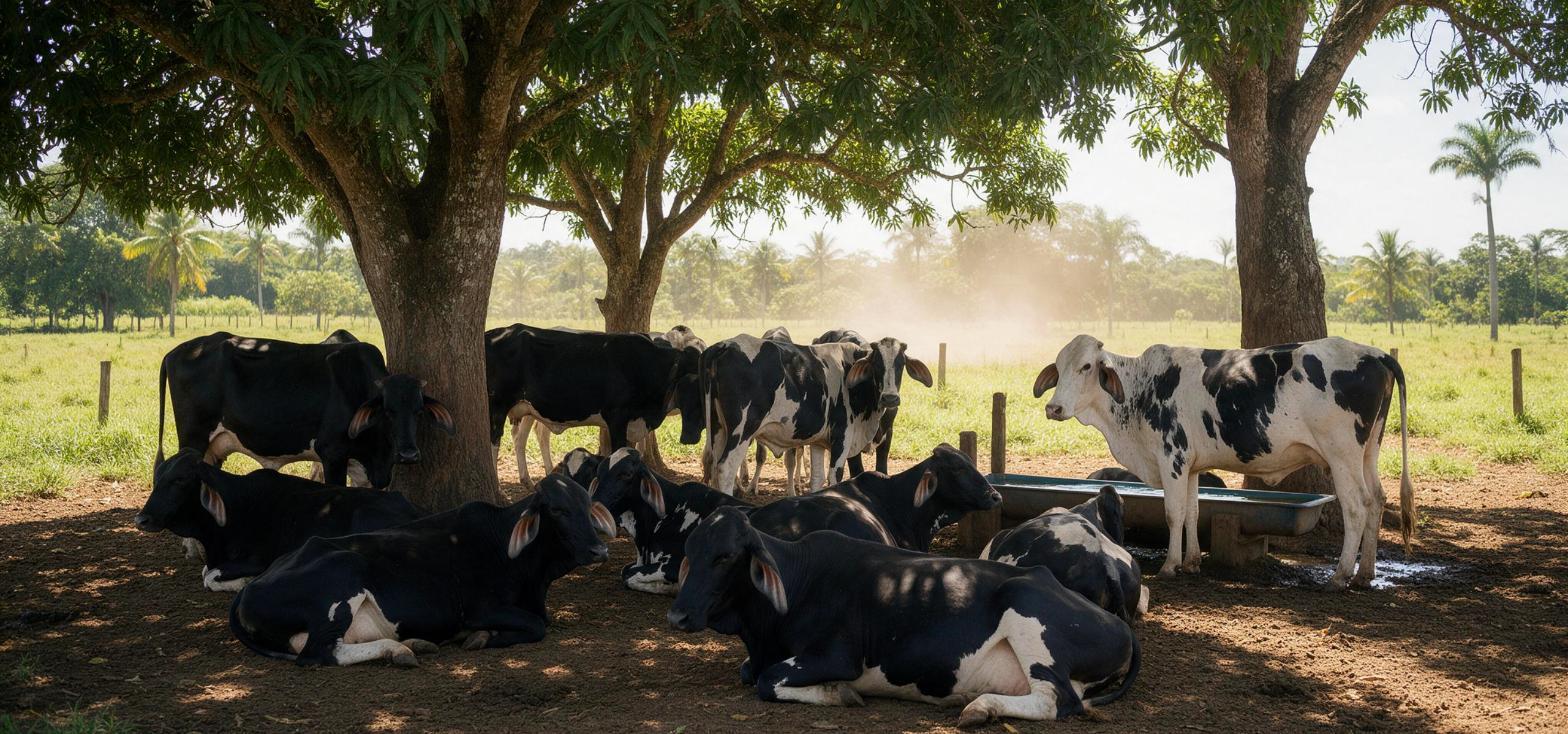
Heat load. Girolando tolerates heat better than Holstein, but high-Holstein grades still drop intake when the temperature-humidity index (THI) climbs. Shade and water at the parlour exit protect yield.
Milk let-down. Cows with more Gir blood often need the calf present or a teat stimulation routine before cups go on. Skipping it shows up as low yields and high residual milk.
Days in milk. Compare cows at the same stage of lactation, not on the same calendar day.
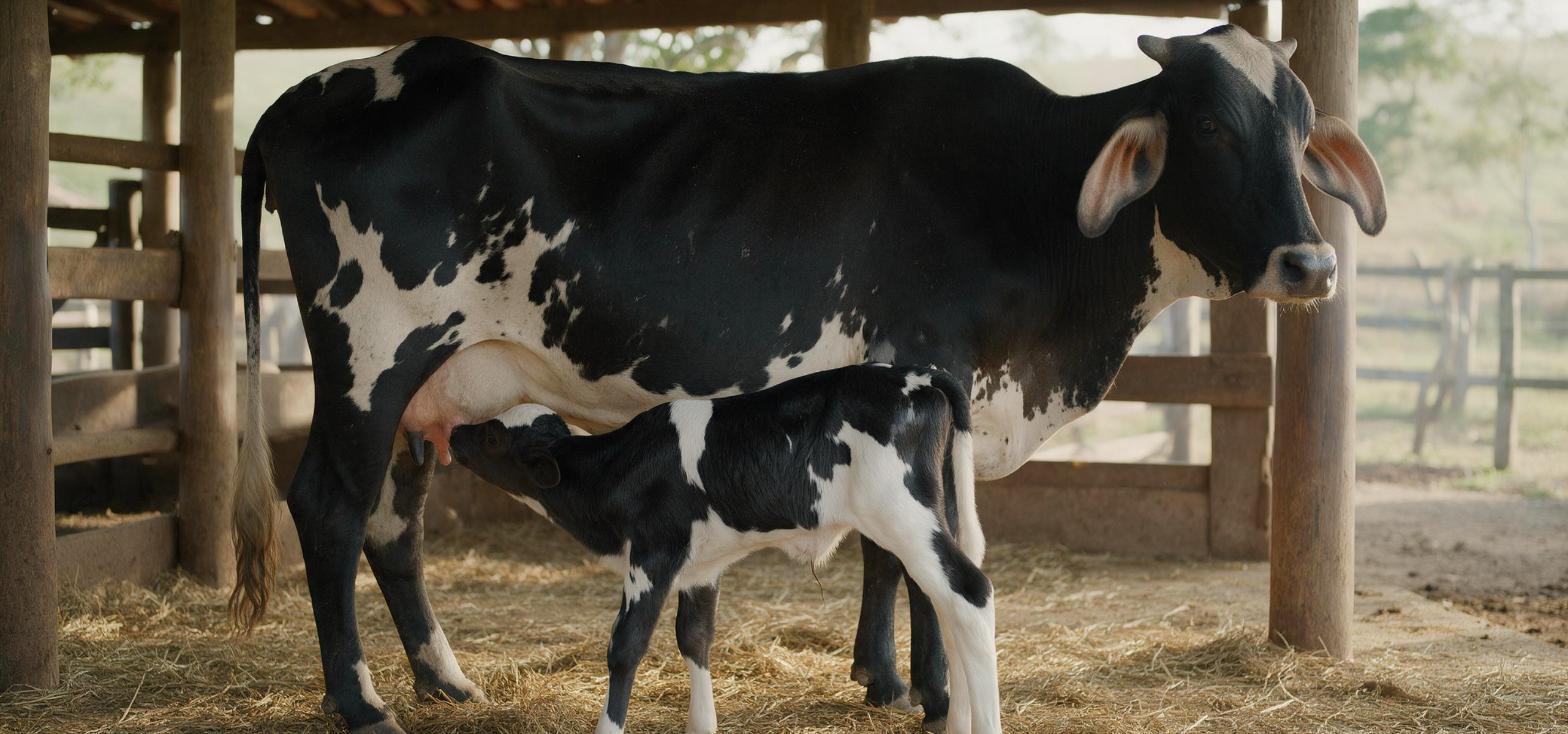
Recording test-day weights per cow is the only way to see these effects. The [Internal Link: DairyLogs milk recording and yield tracking] feature logs every milking and flags cows falling below their expected curve.
Gir genetics tend to lift butterfat and protein percentages compared with pure Holstein milk under the same feeding. That matters if your processor pays on components rather than volume.
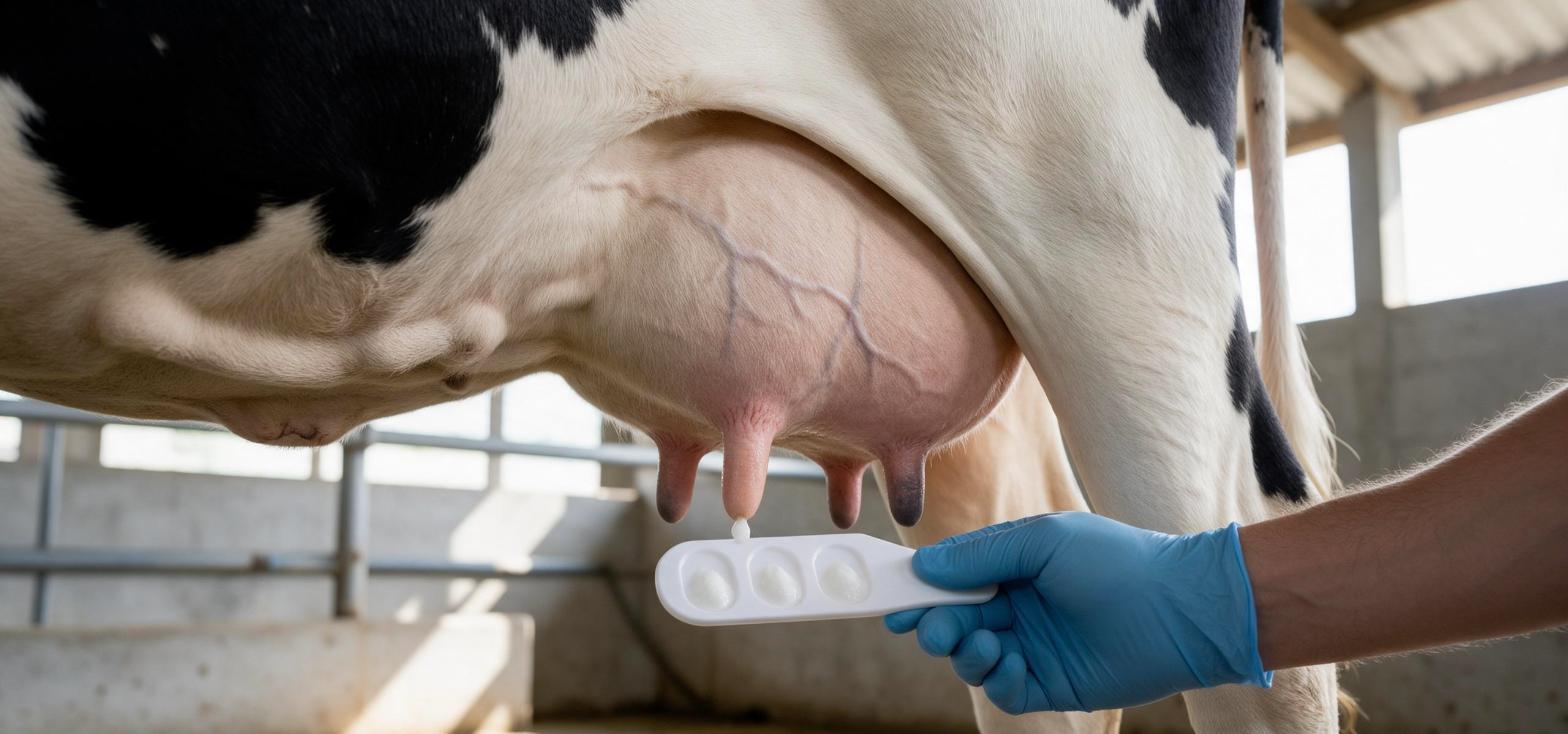
A2 milk potential: Gir cattle carry a high frequency of the A2 beta-casein gene, so many Girolando cows test A2A2. Genotyping lets you build an A2 herd and access premium markets.
Somatic cell count (SCC): Aim for a bulk tank SCC below 200,000 cells/mL; track individual cows monthly to catch subclinical mastitis early.
Residual milk: Incomplete let-down in high-Gir cows raises mastitis risk, so a consistent pre-milking routine improves both yield and quality.
[External Link: Veterinary study on A2 beta-casein frequency in Gir and Girolando cattle]
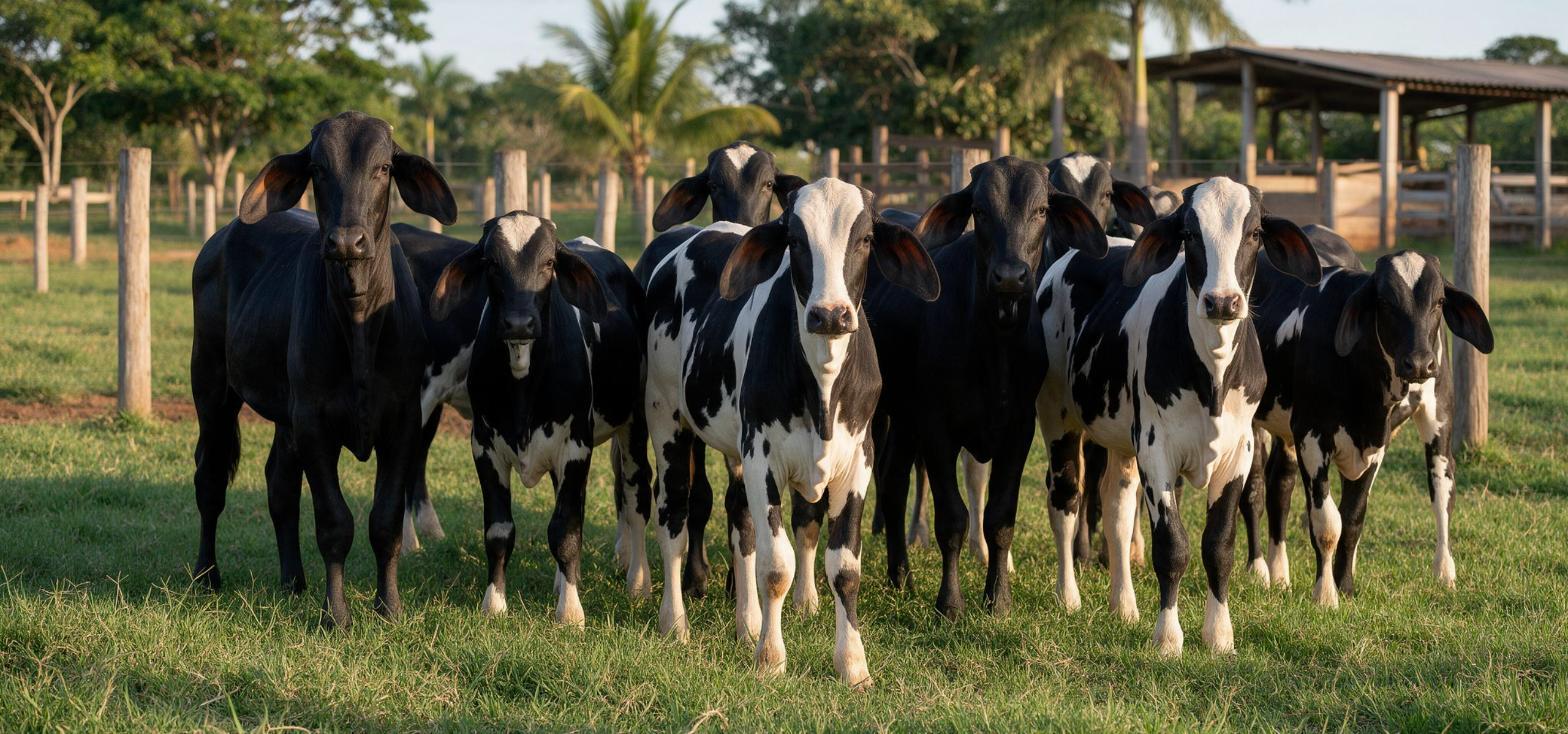
Price depends heavily on market, blood grade and records. In Brazil, where the breed is widespread, current classified listings show a fairly tight commercial range.
Animal type | Typical price in Brazil (per head) | Approx. USD* |
|---|---|---|
Heifer calf | R$3,000 – R$6,000 | $550 – $1,100 |
Open or pregnant heifer | R$5,000 – R$10,000 | $900 – $1,850 |
Lactating cow | R$6,000 – R$9,500 | $1,100 – $1,750 |
IVF embryo | ~R$10,000 | ~$1,850 |
Elite registered genetics (auction) | R$100,000+ | $18,000+ |
*Converted at roughly R$5.4 per US dollar. Exchange rates move, so recheck before budgeting.
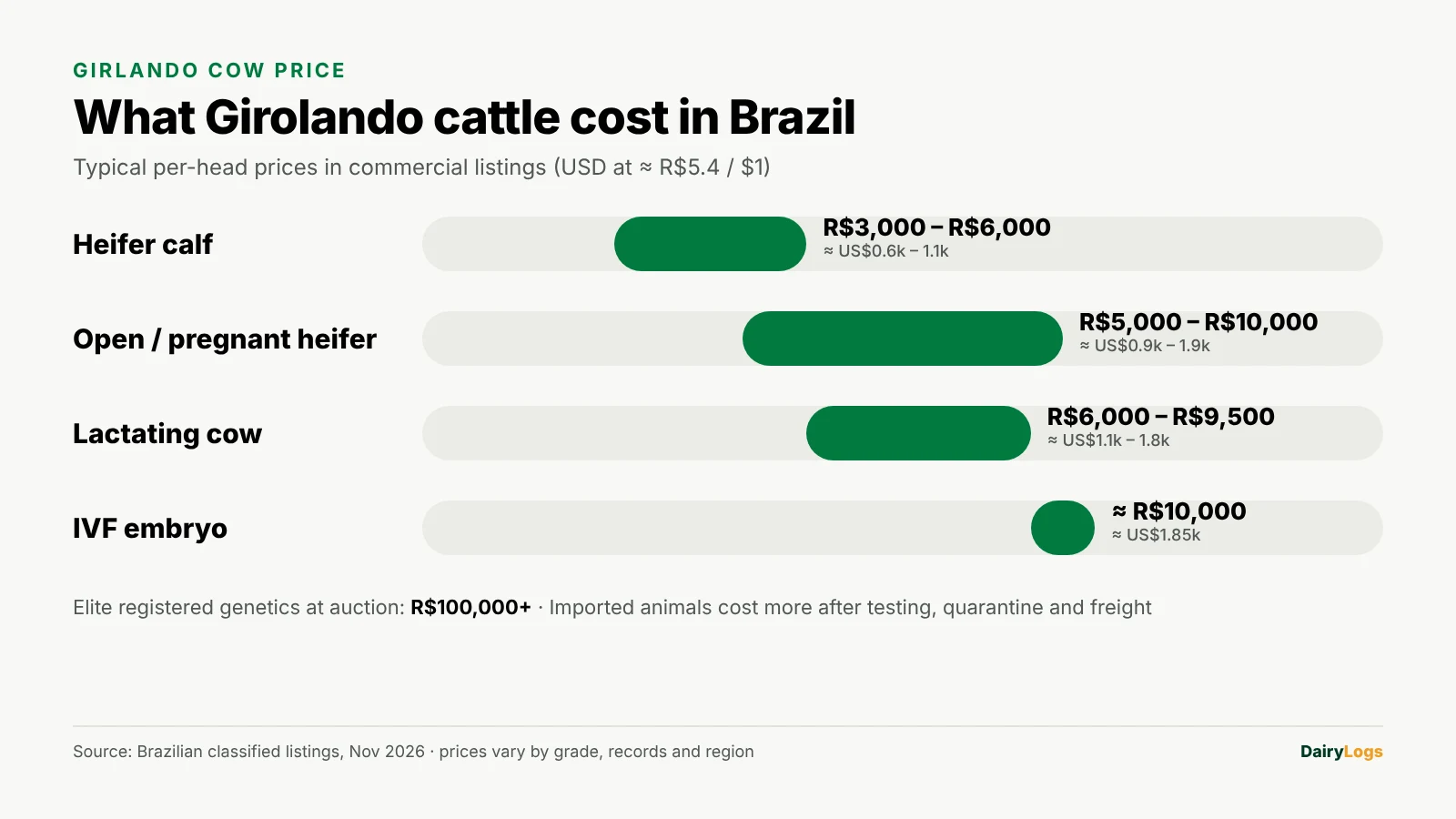
Outside Brazil, live Girolando cattle cost considerably more once export health testing, quarantine and freight are added. Many farms in Africa, South Asia and Latin America start with Girolando semen or embryos over local cows instead of importing live animals.
[External Link: Brazilian livestock market report on dairy heifer prices]
Verified lactation records: A cow with recorded 305-day yields sells for more than one with a seller's estimate.
Blood grade and registration: Registered 5/8 and proven F1 animals command a premium.
Pregnancy status: A confirmed pregnancy to a proven bull adds value immediately.
Age and parity: Second- and third-lactation cows are usually at peak value.
Health tests: TB and brucellosis negative status, plus A2A2 results, all lift price.
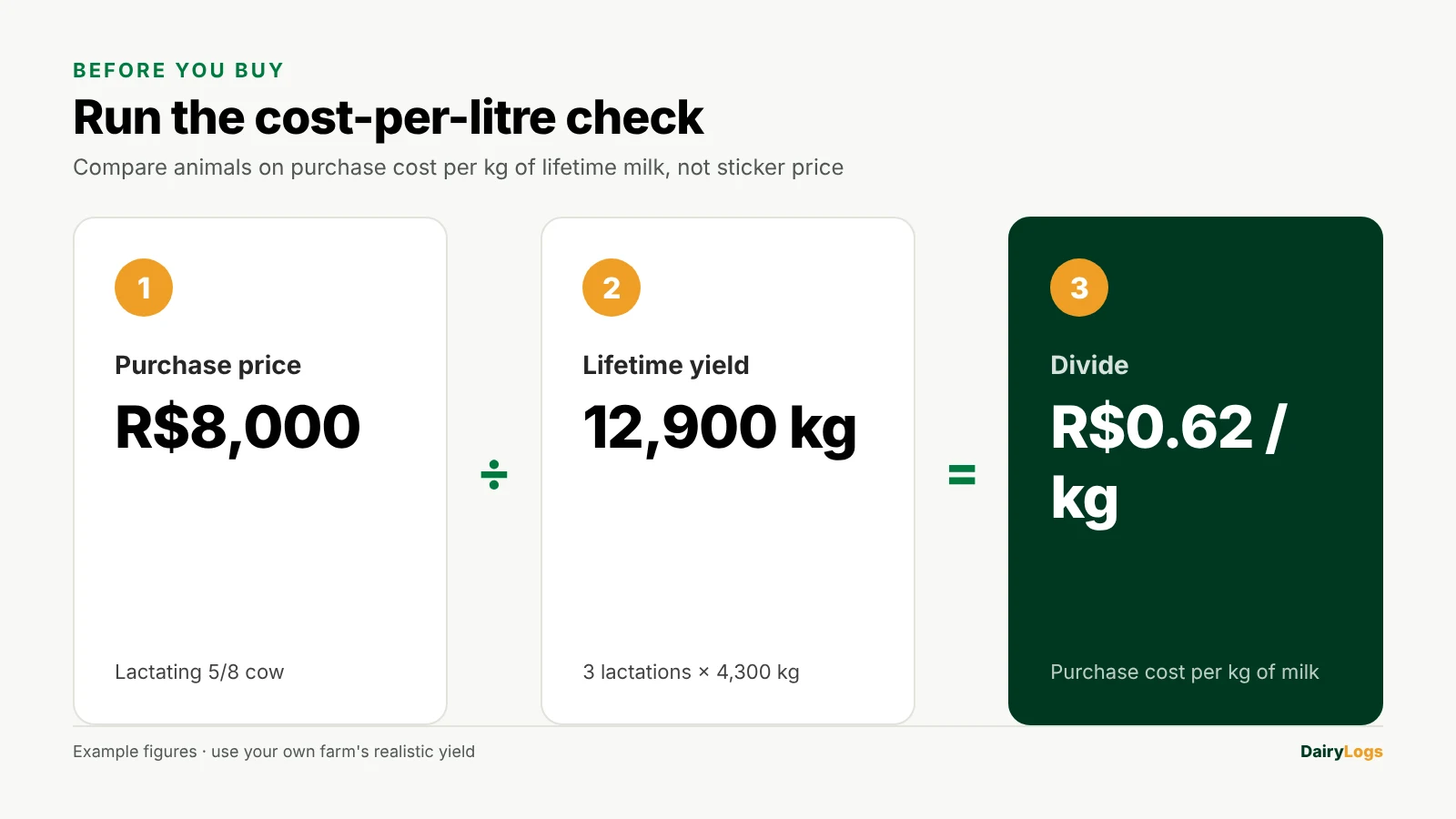
Take the purchase price, for example R$8,000.
Estimate realistic lifetime yield on your farm, for example 3 lactations × 4,300 kg = 12,900 kg.
Divide: R$8,000 ÷ 12,900 kg ≈ R$0.62 of purchase cost per kg of milk.
Compare that figure across animals, and against raising your own replacements.
Most of the gap between average and top-quartile Girolando herds comes down to reproduction and record-keeping, not genetics.
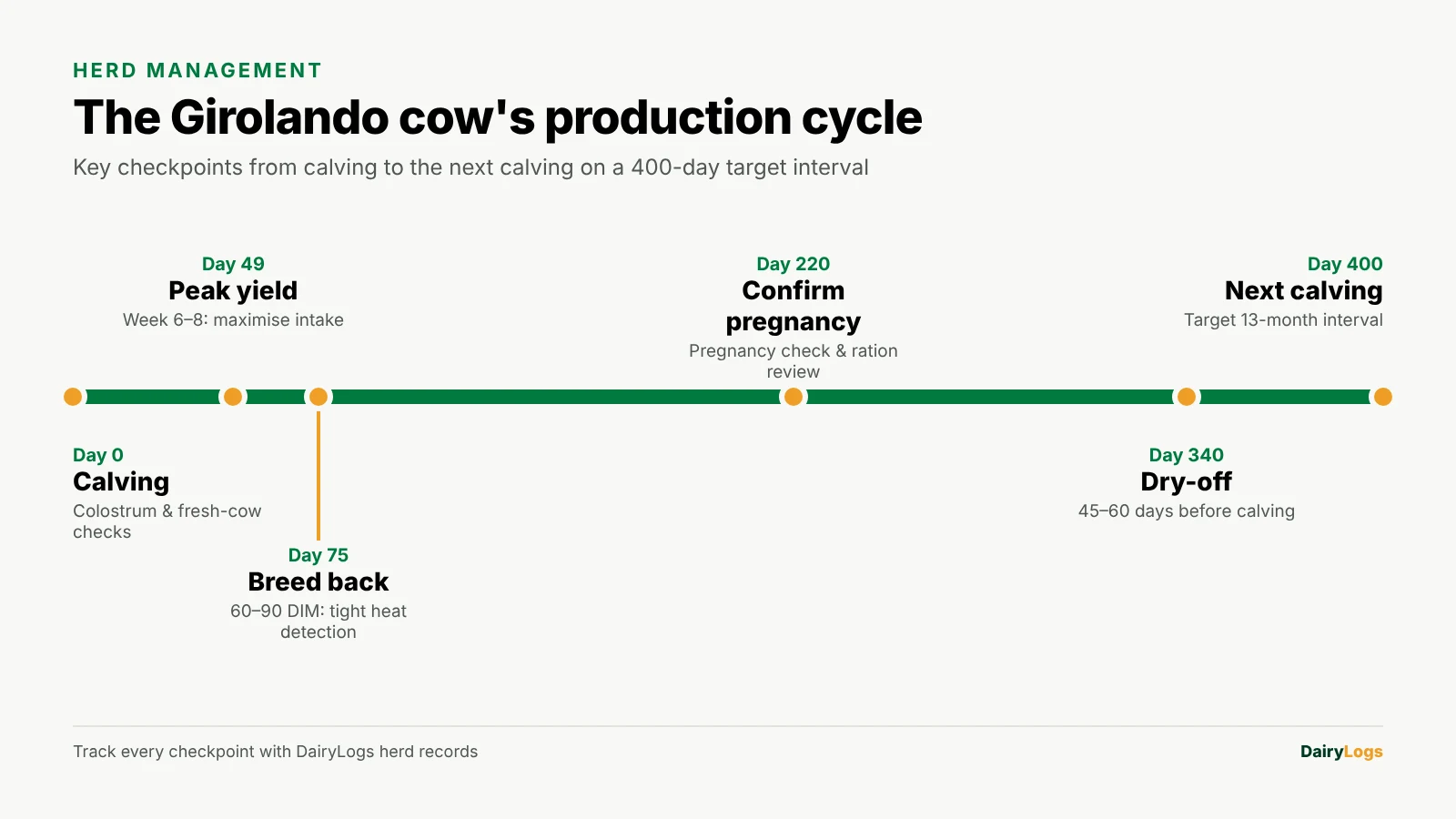
Tighten heat detection. Zebu-influenced cows often show shorter, quieter heats, many at night. Use tail paint or activity collars and log every observation in the [Internal Link: DairyLogs heat detection and breeding module].
Target a 13-month calving interval. Cutting the national average of about 446 days toward 400 days adds roughly 1.5 extra months of milk per cow per cycle.
Hold a 45 to 60 day dry-off period. It protects udder health and the next lactation's peak.
Weigh milk monthly. Test-day records reveal low-persistency cows worth culling and high performers worth breeding from.
Keep the breeding plan consistent. Use registered 5/8 Girolando bulls to hold the breed standard instead of drifting toward high-Holstein grades your climate cannot support.
Control ticks and heat stress. Girolando resists ticks better than Holstein, but strategic dipping and shade still pay in peak summer.
Trait | Girolando (5/8) | Holstein | Gir |
|---|---|---|---|
Heat tolerance | Good | Poor | Excellent |
Tick resistance | Moderate to good | Poor | Excellent |
Milk yield potential | Moderate to high | Very high | Low to moderate |
Feed and housing demand | Moderate | High | Low |
Milking routine | Some need calf stimulation | Easy let-down | Often needs calf |
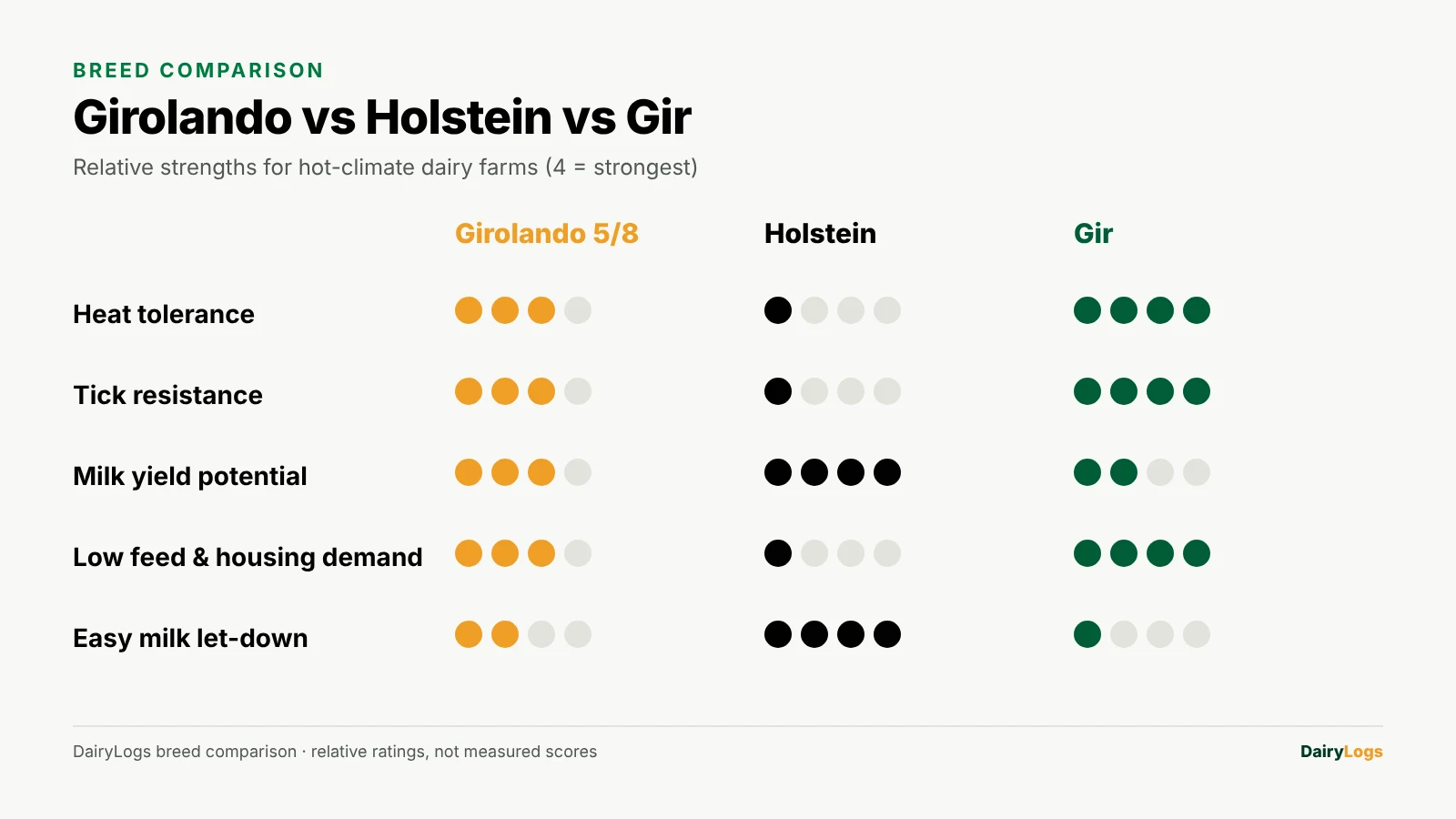
Choose Girolando if you farm in a hot or humid climate, rely partly on pasture, and want steady milk without Holstein-level inputs. If you can offer full confinement, cooling and high-energy rations, higher-Holstein grades may return more milk per cow.
A typical 5/8 Girlando cow averages about 15 litres per day across a 276-day lactation, based on Embrapa records. Well-fed cows in semi-intensive systems reach 15 to 20 litres, and confined, high-genetic-merit cows can produce 25 to 35 litres.
In Brazil, commercial Girlando heifers and lactating cows usually sell for R$5,000 to R$10,000 per head, roughly US$900 to US$1,850. Registered elite animals at auction can exceed R$100,000, and imported animals cost more once testing and freight are included.
Yes. The Gir share gives the Girlando cow better heat tolerance and tick resistance than Holstein, so it holds intake and fertility in tropical conditions. High-Holstein grades such as 3/4 and 7/8 still need shade, water and cooling to perform.
The Girlando cow offers a practical balance of heat tolerance and milk yield: around 4,300 kg per lactation on average, with 20+ litres a day achievable under good feeding. Price, profit and breeding decisions all hinge on knowing what each cow really produces.
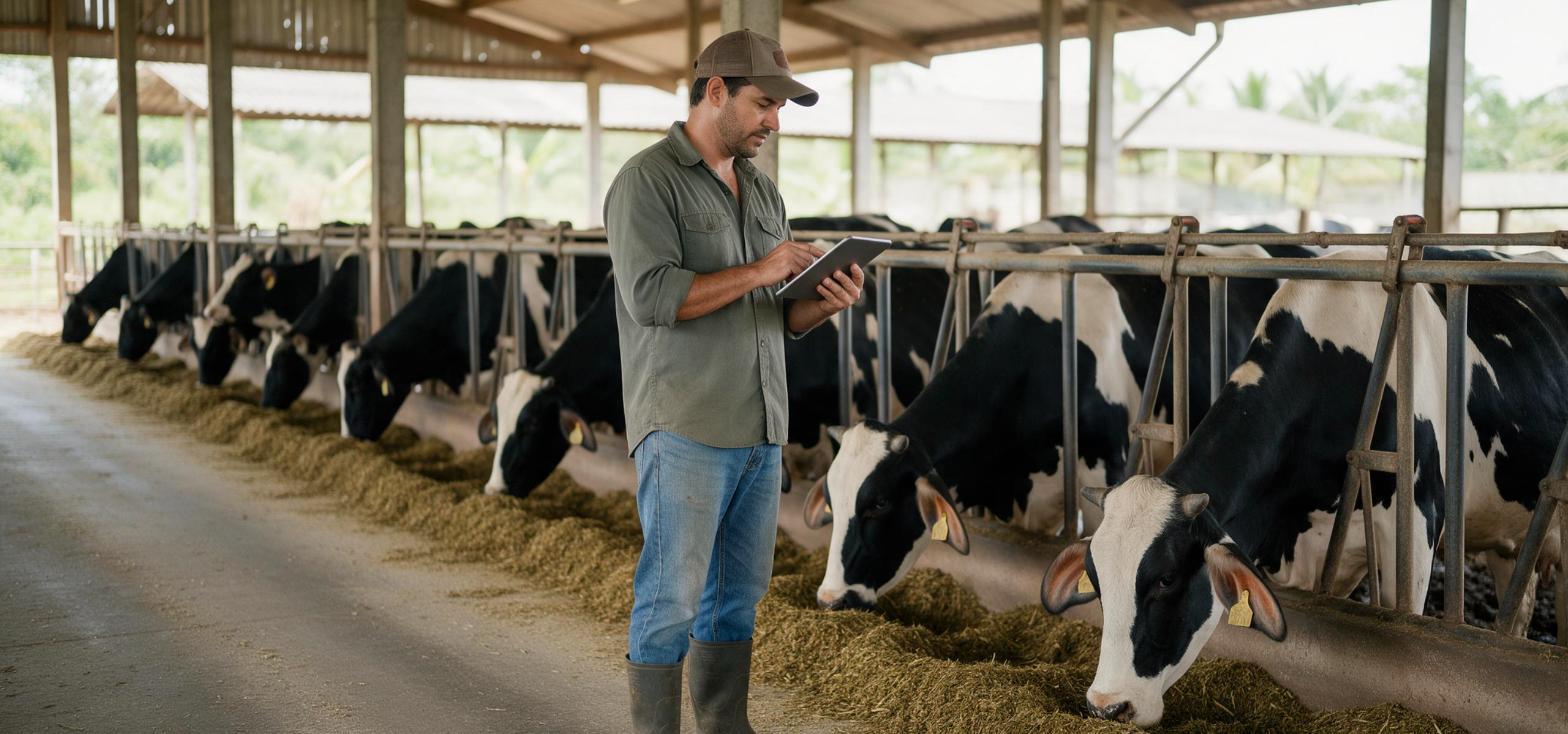
Next step: Start your digital herd record in DairyLogs and log test-day milk weights for every Girlando cow, so you can see who earns her place and who doesn't. [Internal Link: Start a free DairyLogs herd record]
Want tools that match these practices? Start free with DairyLogs.